A Reading List for Exploring British Landscapes: 12 Nature Writing Classics
British landscapes are modest by international standards. There are no glaciers, no rainforest, no peaks that demand oxygen. What we have instead is astonishing variety packed into a small island: chalk downland an hour from a city centre, a shingle beach beside a power station, an oak wood that has been cut and regrown for a thousand years, a canal towpath where kingfishers fish between warehouse conversions.
That closeness is why British nature writing tends to be domestic rather than heroic. The best of it comes from people who walked the same few miles for years and noticed what changed. Here are twelve books, arranged by the ground they cover, that will take you across moorland, coastline, woodland and city green space — and give you better language for the places on your own doorstep.
Moorland, Mountain and Down
The Living Mountain by Nan Shepherd (1977). Shepherd walked the Cairngorms for most of her life, and this short book is about what those hills are like from the inside: cold granite, water moving underground, light crossing a plateau. Chapters are ordered by element rather than route, and there is no summit-bagging anywhere in it. Read a page or two at a time, ideally with a map open.
The South Country by Edward Thomas (1909). Thomas was a working walker long before he was a poet, and this is his survey of southern England — downland, heath, beech hangers, chalk streams — written in prose that keeps stopping to look at a bird or a hedge. Pair it with In Pursuit of Spring, his account of travelling from London to Somerset in 1913.
Nature in Downland by W. H. Hudson (1900). Hudson spent long seasons on the Sussex Downs among shepherds, sheep and wheatears, recording the working language of the hills while it was still in use. He talks to everyone he meets and writes down what they say. A good corrective to the solitude that runs through a lot of modern nature writing.
The Coastline
The Peregrine by J. A. Baker (1967). Ten years of watching peregrines over the Essex coast and estuaries, compressed into a single winter. The prose is incantatory — weather, hunger, the kill, light on water — and there is barely a human story in it at all. Read in one sitting it can feel overwhelming; taken in short bursts it becomes extraordinary.
The Outrun by Amy Liptrot (2016). A return to Orkney after years in London, and a year of swimming, counting corncrakes, tracking weather and birds. Liptrot moves between memoir and natural history without either feeling bolted on. Read it if you want to understand how a landscape can be both a refuge and a difficulty.
Modern Nature by Derek Jarman (1991). Diaries from a cottage on the shingle at Dungeness, where Jarman made a garden in gravel beside a nuclear power station. Plants, illness, weather and film-making sit side by side on the page. His willingness to find beauty in a place most people would call bleak is the whole point of the book.
Woodland, Hedgerow and Field
Wildwood by Roger Deakin (2007). Deakin travels through trees — Suffolk, the Chilterns, the Pyrenees, further afield — but the heart of the book is his own walnut tree farm and the way he thinks with his hands. Chapters wander, which is exactly the pleasure. It will send you out to look properly at a coppice stool.
Through the Woods by H. E. Bates (1936). Short essays on hedges, spinneys, birds' nests and the small economies of a country childhood in Northamptonshire. Bates knew the poaching traditions of his neighbours and writes about them without sentimentality. Ideal for reading before bed: one idea, beautifully finished, then sleep.
The History of the Countryside by Oliver Rackham (1986). Not a gentle read, but few books change how you see the British countryside so thoroughly. Rackham teaches you to read a woodbank, a hedge line, a pollarded oak, the age of a boundary ditch. Keep it as a reference rather than a narrative, and use it to look things up once you are home.
City Green Spaces and Edgelands
The Unofficial Countryside by Richard Mabey (1973). Mabey went looking for nature in places nobody had thought worth writing about: motorway verges, gravel pits, rubbish tips, disused railways, canal banks. Written long before rewilding became a common word, and still the sharpest argument that wildness is not a matter of distance.
Nature Near London by Richard Jefferies (1883). Walks through fields and hedgerows on the edge of the expanding city, around Croydon and Norwood. Jefferies notices birdsong, weeds, weather and the precise moment a suburb begins. A useful reminder that "near" is a relative word, and always has been.
Edgelands by Paul Farley and Michael Symmons Roberts (2011). Two poets on retail parks, reservoirs, sewage works, wire fencing and willowherb. It is a book about paying attention to the places you are usually taught to ignore, and it makes an ordinary bus journey considerably more interesting.
For something more hands-on, Kate Bradbury's The Bumblebee Flies Anyway (2018) describes turning a Brighton courtyard into habitat — handy if your own green space amounts to a window box or a shared patch of grass.
How to Read a Landscape Book Well
These books repay a little method. A few suggestions that make a real difference:
- Read one at a time, across a season. Slow books read quickly collapse into scenery. A chapter a week alongside your usual walking keeps the observation sharp.
- Match the book to the ground. Take the coastal titles to the coast. Read Rackham before a wood you know well, not after.
- Carry something to write on. Note the species, place names and questions the book raises, then look them up at home.
- Read Baker aloud. His sentences are built for the ear, and hearing them slows you down in the right way.
- Alternate old and new. A Victorian walk followed by a contemporary one shows how much the same ground has changed — and how much it hasn't.
- Accept the oddities. Older editions use plant and bird names that have since shifted, and describe a countryside with far more labourers in it. Treat those details as evidence rather than obstacles.
If you want a starting point before any of these, Gilbert White's The Natural History of Selborne (1789) is the wellspring of the whole tradition: one parish, watched closely, for decades. Secondhand copies of most of the titles above are easy to find, and public libraries often hold several. Choose whichever landscape you can reach on foot this week, read the matching chapter, then go and stand in the place itself. That is the whole method, and it works.
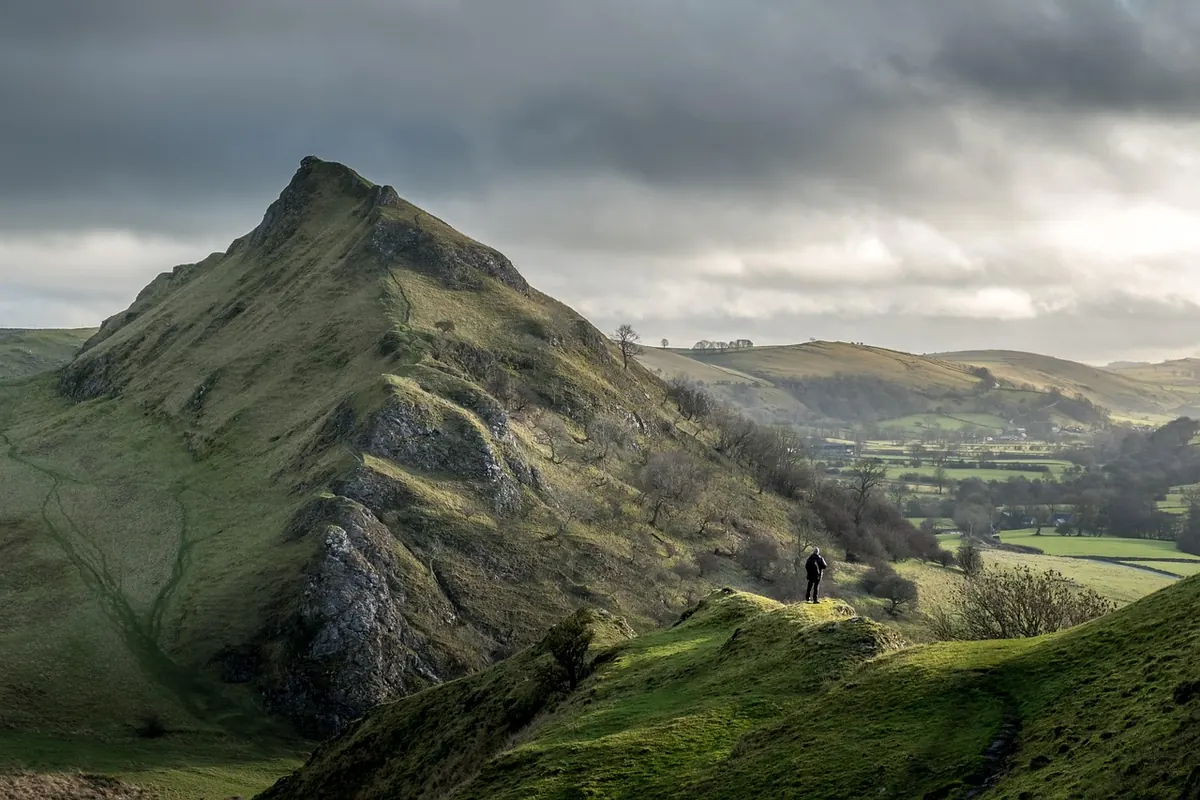
Photo: TimHill / Pixabay

Common Mistakes New Book Club Members Make (and How to Avoid Them)
New to a book club? From skipping the reading to hogging the conversation, here are the missteps that...

Christmas Gift Guide for Book Lovers: 20 Thoughtful Ideas
Twenty bookish gift ideas for every kind of reader, from annotated classics and clothbound editions to...
About Us