Book Review: The Salt Path by Raynor Winn
Some memoirs open with a decision. This one opens with a week that takes almost everything. Raynor Winn and her husband, Moth, lose a long legal battle over the Welsh farm they had spent years restoring, and within days he is diagnosed with corticobasal degeneration, a progressive neurological condition. In their fifties, with no home and very little money, they load two rucksacks and set off to walk the South West Coast Path: 630 miles from Minehead to Poole Harbour.
A walk with no plan B
The plan is barely a plan. They have a small weekly income, a tent, two sleeping bags and a vague intention to keep walking until something changes. They camp in hedges and on clifftops, wash in streams and public toilets, and eat whatever comes cheap. Winn is excellent on the practical texture of this: the weight of a rucksack on the fourth day, the hunt for a working tap, the small triumph of a shop selling off bread at closing time. The path gives their days a shape, which is more than their lives have had for a while.
Somewhere in Devon, something shifts. They stop looking like walkers and start looking like homeless people, and the way strangers treat them changes. Winn writes about this without self-pity and without softening it — the assumptions, the pity, the occasional startling kindness. It is some of the most quietly furious writing in the book, and it stays with you longer than the scenery does.
What The Salt Path gets right
Three things carry it.
Honesty. Winn does not tidy herself up for the reader. She is frightened, snappish and occasionally hopeless, and she says so. Neither she nor Moth is presented as noble or heroic. They are two people in their fifties making the best of a genuinely bad situation, and the book refuses to pretend otherwise.
The marriage. This is not a romanticised partnership. They bicker, they worry, they annoy each other. But the memoir is at heart a portrait of two people deciding, again and again, to keep going together. The dialogue is dry and light, and it does an enormous amount of work with very little fuss.
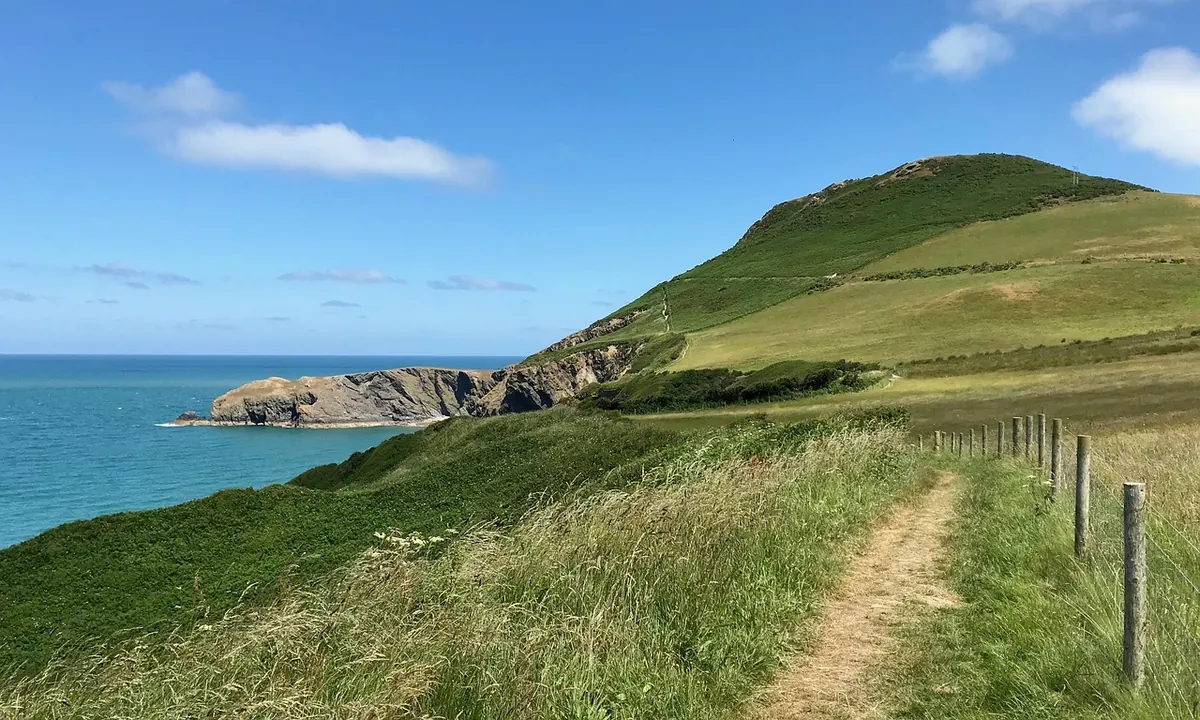
The landscape. Winn writes about Exmoor, Cornwall, the Lizard and the Dorset coast with an eye for specifics — the colour of the sea under low cloud, wind moving through gorse, the way a headland seems to shift further away the closer you get. It is descriptive without being decorative, which is harder than it sounds.
Where it loses its footing
The middle sags. Cornwall is a long county, and the routine of walk, camp, walk, camp starts to feel as repetitive on the page as it must have felt on the ground. Some readers will find themselves skimming around the halfway mark.
The prose also reaches, now and then. When Winn goes after lyricism she sometimes overshoots and lands on something closer to a holiday brochure than a memory. These moments are not frequent, but they stand out precisely because the rest of the book is so plainly written.
There is also the question of what a memoir can and cannot give you. The legal case that cost them the farm arrives in fragments, and anyone wanting the full story will have to look elsewhere. The conversations are recreated, as they are in almost all memoir. And the illness thread is left deliberately open: Moth's body seems to steady as the miles accumulate, but Winn never claims the walking cured him. That restraint is admirable, though readers hoping for an answer will not get one.
The path on the page
If you know the South West Coast Path, or hope to, the book adds a layer. It is not a guidebook — no mileages, no route notes, no advice on where to sleep. Treat it as atmosphere rather than instruction. Keep a map or an Ordnance Survey app open beside you if you want to follow the route properly, because the place names come thick and fast: Minehead, Hartland Point, Padstow, Land's End, the Lizard, then on into Dorset. Reading it while walking the path is a pleasure. So is reading it in a warm room while rain hammers the window.
Who should read it — and who might not
Read it if you:
- enjoy memoirs about ordinary people under extreme pressure
- want a clear-eyed portrait of a long marriage
- have walked, or plan to walk, the South West Coast Path
- are interested in writing about homelessness that resists sentimentality
Approach with caution if you:
- need a strong plot with a tidy resolution
- want a detailed account of the court case
- hope for a firm medical answer about Moth's condition
- find "nature heals" framing difficult to take
How to get the most from it
Read it at walking pace. A chapter or two a night suits the book's rhythm far better than a weekend binge, because the repetition that slows the middle is also what makes the ending land as hard as it does.
If you want the aftermath, The Wild Silence picks up where this leaves off, and Landlines continues the story further.
Buy it second-hand, borrow it, or order it from your library. This is a book that has been passed around a great deal, and it wears that well.
And keep it in its place. It is one couple's account of one particular set of circumstances. It is not a medical text, and the easing of Moth's symptoms during the walk should not be read as guidance about corticobasal degeneration. Nor is it a manual for surviving homelessness. If you are facing eviction, a legal dispute or a serious diagnosis, talk to people who can actually help: a solicitor, Citizens Advice, Shelter or your GP.
Photo: wellbreddesign / Pixabay
Common Mistakes New Book Club Members Make (and How to Avoid Them)
New to a book club? From skipping the reading to hogging the conversation, here are the missteps that...

A Reading List for Exploring British Landscapes: 12 Nature Writing Classics
Twelve British nature writing classics arranged by landscape — moorland, coastline, woodland and city...
About Us